

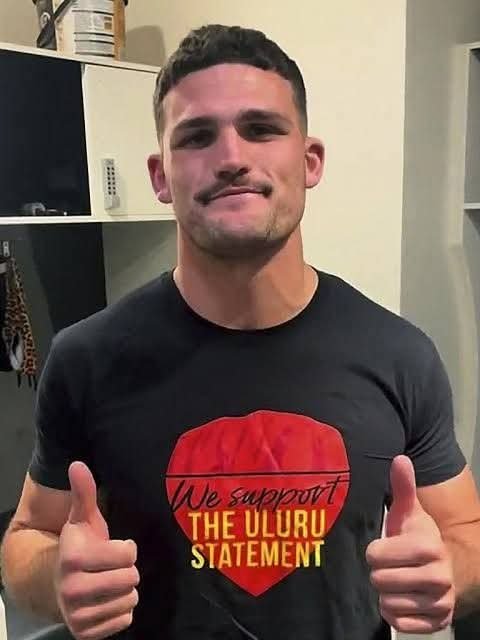
Nathan Cleary’s Indigenous-Voice Support Sparks Backlash After Video Endorsement
When star athlete Nathan Cleary publicly lent his voice to the call for a constitutional Indigenous advisory body, he hoped to join a growing wave of support aimed at giving Australia’s First Nations people a louder seat at the table. Instead, his gesture triggered a wave of criticism and social-media backlash — a stark reminder how deeply divided the debate over the 2023 Australian Indigenous Voice referendum remains.
Cleary, best known for his exploits as a key player for the Penrith Panthers, took part in a brief video urging Australians to vote “Yes” in the referendum. In the clip, he said: “No voice, no choice — come on Australia, vote Yes,” joining a small but growing list of high-profile sports stars who publicly supported the proposal.
But the reaction was swift. On social media, segments of the public — and even some fans — criticized Cleary’s endorsement, accusing him of wading into divisive politics. Some argued that athletes should “stick to sport,” while others questioned whether his fame should influence such a significant constitutional debate. A post sharing the story even titled the backlash “sparks bac??lash after he shared endorsement in video.”
For many supporters of the Voice, Cleary’s decision to speak out carried weight: as a widely recognised sports figure, his endorsement could help normalise public support among demographics that might not otherwise engage in political debate. But for opponents — and even some undecided Australians — it underscored one of their biggest concerns: that the referendum was being framed as more than a policy decision, but as a symbolic “identity check” for the nation. That perception intensified once celebrities and athletes — not just politicians — began endorsing it.
In the end, the referendum was rejected by a clear majority nationwide. In retrospect, Cleary’s endorsement — and the reaction to it — reveals much about the difficult balance public figures face when stepping beyond their usual sphere. On one hand, they can use their influence to amplify voices many might not hear; on the other, they risk alienating large segments of the public who feel that sport should remain separate from politics.
Regardless of one’s stance on the Voice, Cleary’s experience serves as a case study: in highly charged debates about identity, race, and national history, even a well-meaning act of support can become a flashpoint. It asks uncomfortable questions — about the role of public figures, about the power of celebrity influence, and about whether advocacy from the sports field can — or should — cross the line into civic activism.
In that tension lies a broader challenge facing multicultural societies everywhere: how to build solidarity without silencing dissent, and how to open ears without hardening hearts. For Cleary, at least, the choice to speak up has already left a mark — not just on his public image, but on a national conversation that, many believe, is far from over.
